📖 Readable Text
This module explains concepts using short sentences, bold keywords, and visual examples.
- Key point one in simple language.
- Key point two with an example.
- Key point three with a quick tip.
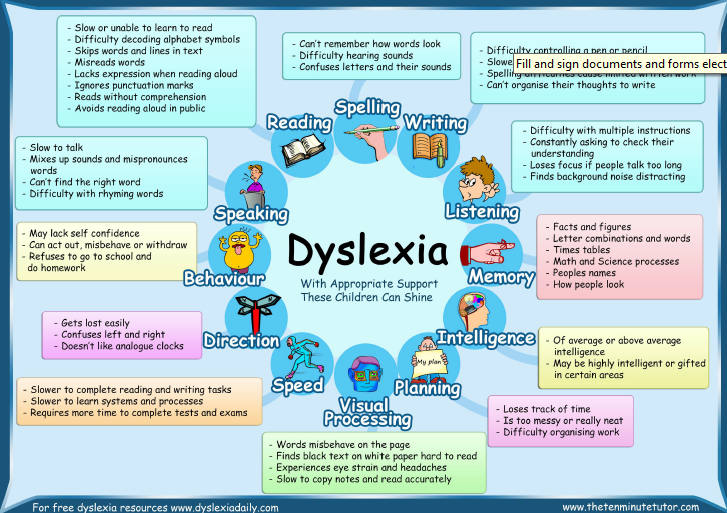
Dyslexia is one of the most common learning differences, affecting the way people read, write, and process language. While it does not impact intelligence or creativity, it can make traditional learning environments more challenging. The goal of dyslexia-friendly learning is to create strategies, tools, and resources that reduce barriers and allow every learner to access knowledge with confidence. In this course, students will be introduced to the principles of dyslexia-friendly design and instruction. The emphasis is on clarity, accessibility, and flexibility. Instead of relying only on dense blocks of text, learning materials are supported with multiple formats—audio recordings, simplified language, structured visuals, and interactive exercises. This ensures that learners can choose the method that works best for them, whether that is listening to a story, following a diagram, or practicing with short, focused activities. Technology plays a central role in making learning dyslexia-friendly. Tools such as text-to-speech, voice recognition, and AI-based text simplification provide immediate support to learners who might otherwise struggle. Fonts that are easier to read, high-contrast color schemes, and generous spacing between lines further reduce the visual stress that can come from reading traditional materials. Most importantly, dyslexia-friendly learning builds confidence. When students realize that they are not limited by their learning difference, but rather supported by strategies that play to their strengths, they begin to approach reading and learning with more independence and self-belief. By the end of this introductory module, learners and parents will understand the basics of dyslexia, recognize common challenges, and explore the tools and teaching styles that can make learning accessible, engaging, and enjoyable. This foundation will prepare them for deeper exploration in the following modules, where specific skills like phonics, memory techniques, and AI-powered learning tools will be introduced.
Tip: Use the assist bar (bottom) to enable dyslexia font and contrast.
Listen to an easy story that explains key ideas with simple words.
This module explains concepts using short sentences, bold keywords, and visual examples.