Practical Tips for Parents Supporting Dyslexic Children Online
By Admin •
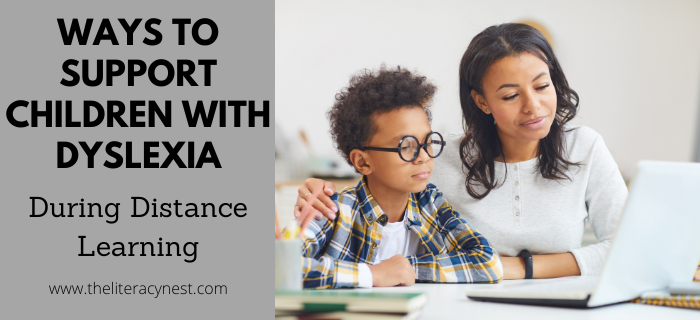
Raising a child with dyslexia can be both rewarding and challenging. While dyslexia does not affect intelligence, it does impact how children process language, which can make reading, writing, and spelling harder. Today, with so much learning happening online, parents have new opportunities—and new challenges—when it comes to supporting their children. The good news is that with the right strategies and tools, online learning can become an empowering experience for dyslexic students.
Create a Supportive Learning Environment
The first step is building a comfortable and distraction-free space for learning at home. Many dyslexic learners benefit from a quiet environment with minimal background noise. Using headphones can also help children stay focused during online lessons. Parents should make sure that screens are set up with readable fonts (such as OpenDyslexic or Arial) and that the text size and background colors are adjusted for comfort.
Use the Power of Technology
There are many online tools designed to support learners with dyslexia. Text-to-speech (TTS) software can read aloud assignments and e-books, making it easier for children to follow along. Speech-to-text tools let children dictate their ideas instead of struggling to write them. Parents can also encourage the use of AI-powered spellcheckers and grammar assistants, which provide gentle corrections and explanations. These tools not only make learning easier but also help children feel more independent.
Break Tasks Into Manageable Steps
Online lessons can sometimes feel overwhelming, especially if they involve long reading passages or multiple assignments. Parents can support their children by breaking larger tasks into smaller, achievable steps. For example, instead of reading an entire article at once, divide it into short sections. After each section, pause to discuss the key points together. This approach helps children stay engaged and reduces frustration.
Encourage Multi-Sensory Learning
Children with dyslexia often learn best when multiple senses are involved. Parents can use online videos, interactive diagrams, and audio stories to reinforce lessons. For example, if a child is learning new vocabulary, combine text, pictures, and audio pronunciation to strengthen memory. Multi-sensory learning not only makes lessons more effective but also keeps them fun and engaging.
Celebrate Progress, Not Just Perfection
One of the biggest challenges for dyslexic learners is confidence. Constant corrections can sometimes make children feel discouraged. Parents should celebrate small achievements, such as finishing a paragraph, remembering a new word, or speaking up in an online class. Positive reinforcement builds motivation and helps children see that effort leads to progress.
Work Together With Teachers
Finally, parents should stay in close contact with teachers. Sharing what works at home can help teachers adapt their approach online. Likewise, teachers can recommend resources or strategies that complement classroom instruction. A team approach ensures that children feel supported from every side.
Final Thoughts
Supporting a dyslexic child online requires patience, creativity, and encouragement. By using the right tools, breaking tasks into smaller steps, and focusing on progress rather than perfection, parents can transform online learning into a positive experience. The goal is not just academic success, but also building confidence and resilience. With the right support, children with dyslexia can thrive—not only in school, but in every aspect of life.